

Mould and moisture assessments
Mould needs moisture to grow, so the key is finding where the water is coming from. A leak, rising damp, condensation or poor ventilation can all cause hidden moisture in walls, floors and ceilings, often long before you see or smell mould.
What I check
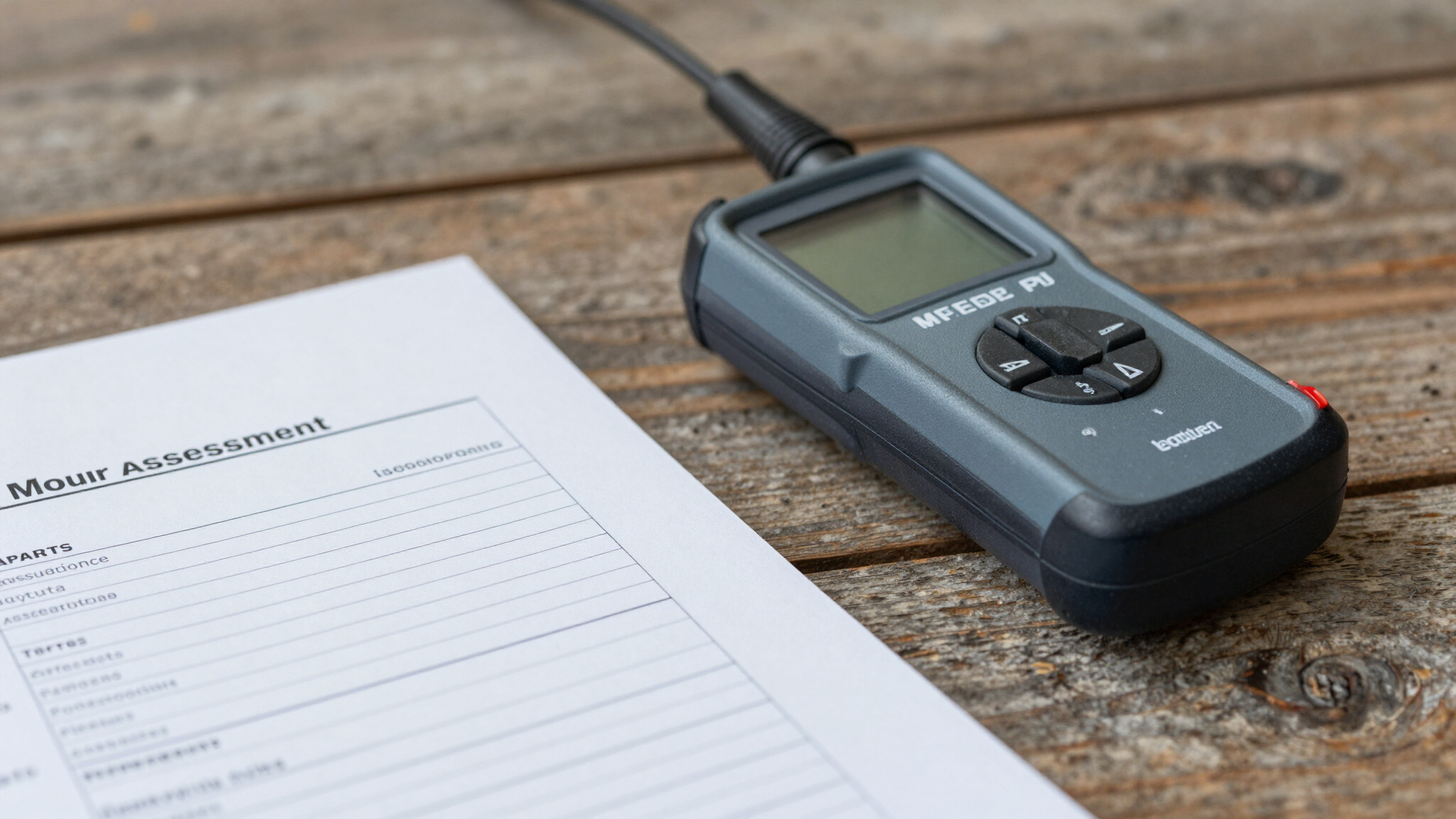
• Moisture levels in building materials, using specialised meters and a thermal camera
• Likely sources: leaks, plumbing, roof and gutter problems, rising damp, condensation and airflow
• Visible mould, and signs of hidden mould
• Humidity and ventilation throughout the building






Lab testing
I take air and surface samples and send them to an accredited laboratory. The results show the types of mould present and how much, compared with outdoor air.
What you receive
A summary of findings and recommendations, based on a combination of moisture measurements, lab testing, thermal camera imaging, a visual inspection and an odour assessment of the building. It can include moisture mapping and photos, with a clear plan: what to fix first, how to dry things out, and when to call in a remediation specialist. A full written report is available on request.
Good to know
Mould can affect breathing, skin and general wellbeing. If you have symptoms, talk with your doctor or naturopath, and share your findings with them.